Rahab the harlot plays a significant role in the genealogy and broader theological narrative of the incarnation and first Advent of the Lord Jesus Christ. Her story, found in Joshua 2 and referenced in the genealogy of Jesus in Matthew 1:5, reveals profound themes of redemption, grace, and God’s sovereign plan.
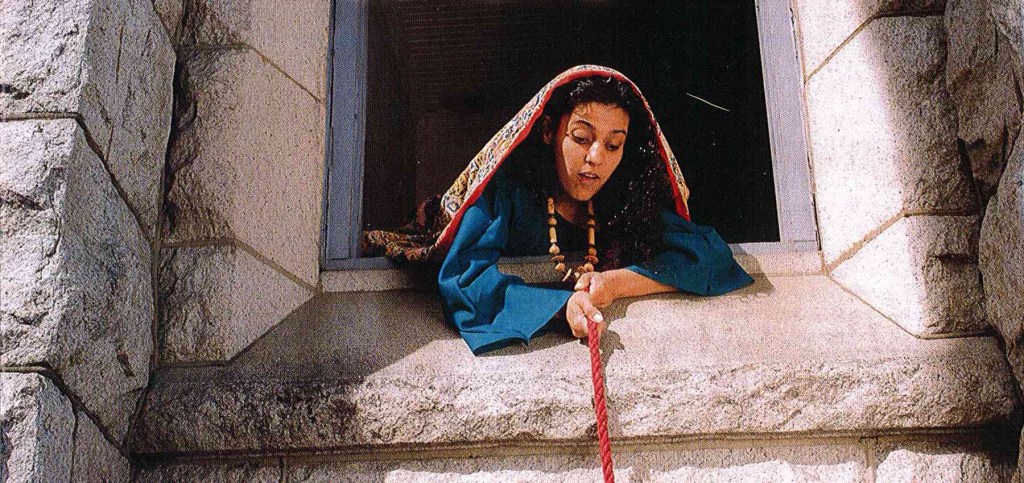
1. Rahab in the Genealogy of Jesus (Matthew 1:5)
• Rahab, a Canaanite woman and a prostitute, is listed in the genealogy of Jesus Christ:
“Salmon the father of Boaz, whose mother was Rahab…” (Matthew 1:5)
• She became the mother of Boaz, who married Ruth, and their lineage led to King David and ultimately to Jesus Christ.
• This inclusion emphasizes that Jesus’ earthly lineage includes not just royalty and patriarchs, but also Gentiles and people with socially undesirable backgrounds.
2. A Foreigner Brought into God’s Covenant People
• Rahab was a Gentile living in the pagan city of Jericho.
• By expressing faith in the God of Israel (Joshua 2:9-11), she aligned herself with God’s people.
• Her story prefigures the inclusion of the Gentiles in God’s redemptive plan through Christ.
3. Faith as the Basis of Redemption
• In Hebrews 11:31, Rahab is celebrated as a model of faith:
“By faith the prostitute Rahab, because she welcomed the spies, was not killed with those who were disobedient.”
• Her faith not only saved her and her family physically but also brought her into the covenant community.
• This highlights that salvation is by faith and not by works or social status—a central message of the Gospel.
4. Symbolism of Redemption
• The scarlet cord Rahab used to signal her house for salvation (Joshua 2:18-21) symbolizes the blood of Christ and the theme of deliverance from death and judgment.
• Just as Rahab’s house was spared because of the scarlet cord, so believers are saved by the blood of Jesus Christ shed on the cross.
5. A Picture of God’s Grace and Redemption
• Rahab’s transformation from an outcast to an honored ancestor of Jesus underscores God’s grace and power to redeem anyone, regardless of their past.
• This fits perfectly with the message of the incarnation: Jesus came to save sinners, to redeem the broken, and to call all nations to Himself.
Conclusion
Rahab’s role in the incarnation and first Advent of Jesus Christ highlights the universal scope of the Gospel, the power of faith, and the depth of God’s grace. Her inclusion in Jesus’ lineage emphasizes that the Messiah came not only for Israel but for all people, regardless of race, status, or past sins. Rahab’s story ultimately points to the heart of the Christmas message: God’s love and redemption made available to all through Jesus Christ.

 Bible Points
Leave a comment